The Future of Arabic Language in the AI World
The integration of Arabic into AI presents both challenges and opportunities. Overcoming the complexity of the language and building high-quality datasets are key to unlocking AI's potential to enhanc
NourVoice Team ·
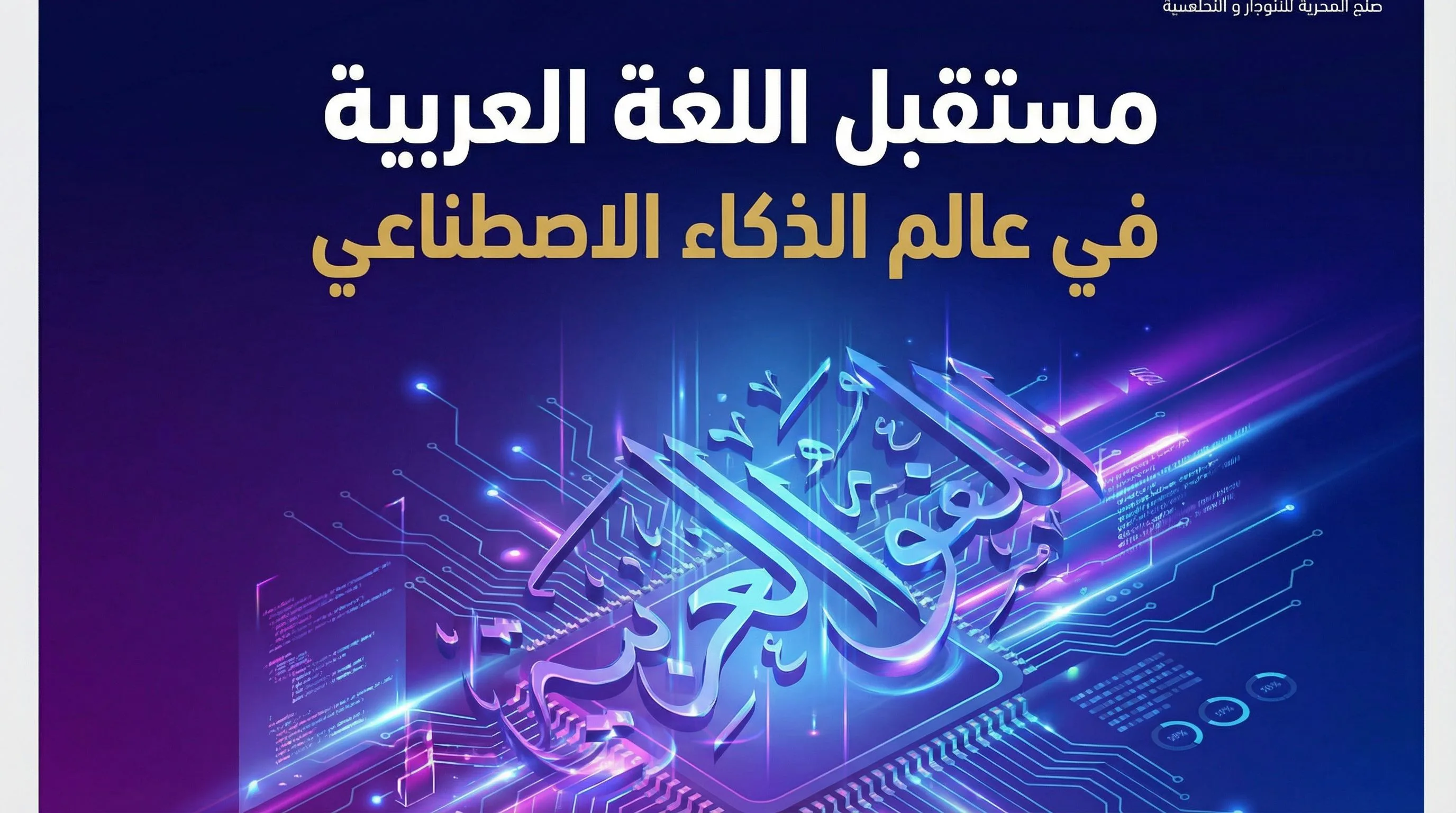
The Future of Arabic Language in the AI World: Challenges and Opportunities
The rise of Artificial Intelligence (AI) is transforming every aspect of our lives, from how we communicate to how we work. But what does this technological revolution mean for the Arabic language, a language rich in history and culture spoken by over 400 million people worldwide? While AI presents exciting opportunities to revitalize and expand the reach of Arabic, significant challenges remain in ensuring its full integration into the AI landscape. Let's delve into the potential future of Arabic in the age of intelligent machines.
The Current Landscape: Bridging the Digital Gap
Currently, Arabic lags behind languages like English and Mandarin in terms of AI integration. This discrepancy stems from several factors, including the morphological complexity of the language, its diverse dialects, and a relative scarcity of high-quality, readily available digitized Arabic text and speech data. The highly inflected nature of Arabic grammar, with its prefixes, suffixes, and vowel diacritics, makes it difficult for AI algorithms to accurately parse and process the language. Furthermore, the vast variations across different Arabic dialects pose a significant challenge to developing a single, unified AI model capable of understanding and responding appropriately to all users.
Despite these hurdles, significant progress is being made. Researchers are developing novel algorithms and techniques specifically designed to handle the complexities of Arabic. These include advancements in:
* Natural Language Processing (NLP): Researchers are working on improving NLP models' ability to understand the nuances of Arabic grammar and syntax, as well as to accurately translate between Arabic and other languages. This includes focusing on tasks like sentiment analysis, named entity recognition, and machine translation.
* Speech Recognition: The development of accurate and robust Arabic speech recognition systems is crucial for enabling voice-activated devices and services in the Arab world. This requires overcoming the challenges posed by dialectal variations and background noise.
* Machine Learning: Machine learning algorithms are being trained on large datasets of Arabic text and speech data to improve their performance in various AI tasks, such as text summarization, question answering, and chatbot development.
Opportunities for Growth and Innovation
The integration of Arabic into the AI world presents a wealth of opportunities for growth and innovation. These include:
* Enhanced Accessibility: AI-powered translation tools can break down language barriers and make Arabic content more accessible to a global audience. Similarly, speech recognition technology can enable Arabic speakers with disabilities to interact more easily with technology.
* Improved Education: AI can be used to personalize Arabic language learning experiences, provide customized feedback, and identify areas where students are struggling. AI-powered tutors can also offer individualized support and guidance.
* Economic Development: The development of AI-powered Arabic language technologies can create new jobs and industries in the Arab world, driving economic growth and innovation. This includes opportunities in areas like AI software development, data science, and digital content creation.
* Cultural Preservation: AI can play a vital role in preserving and promoting Arabic language and culture. For example, AI-powered tools can be used to digitize and analyze historical Arabic texts, making them more accessible to researchers and the public. Chatbots can be designed to converse in classical Arabic, introducing younger generations to the rich literary heritage of the language.
Overcoming the Challenges: A Collaborative Approach
To fully realize the potential of Arabic in the AI world, a collaborative approach is essential. This requires:
* Increased Investment in Research and Development: Governments, universities, and private companies need to invest more in research and development efforts focused on Arabic language AI.
* Data Set Creation and Sharing: Building large, high-quality datasets of Arabic text and speech data is crucial for training AI algorithms. These datasets should be made publicly available to encourage collaboration and innovation.
* Standardization and Interoperability: Efforts should be made to standardize Arabic language resources and tools to ensure interoperability and facilitate the development of robust AI systems.
* Collaboration between Linguists and AI Experts: Close collaboration between linguists and AI experts is essential for developing AI models that accurately capture the nuances of the Arabic language.
Recommendation: A Proactive Future
The future of Arabic in the AI world hinges on proactive efforts to bridge the digital gap. By investing in research, fostering collaboration, and prioritizing data accessibility, we can ensure that Arabic not only survives but thrives in the age of intelligent machines. Embrace the opportunities, address the challenges, and build a future where Arabic is a vibrant and integral part of the global AI ecosystem.