Accessibility: How TTS Helps People with Disabilities
Text-to-Speech (TTS) technology converts written text into audible speech, offering a vital lifeline to individuals with disabilities impacting reading ability. From education to employment and daily
NourVoice Team ·
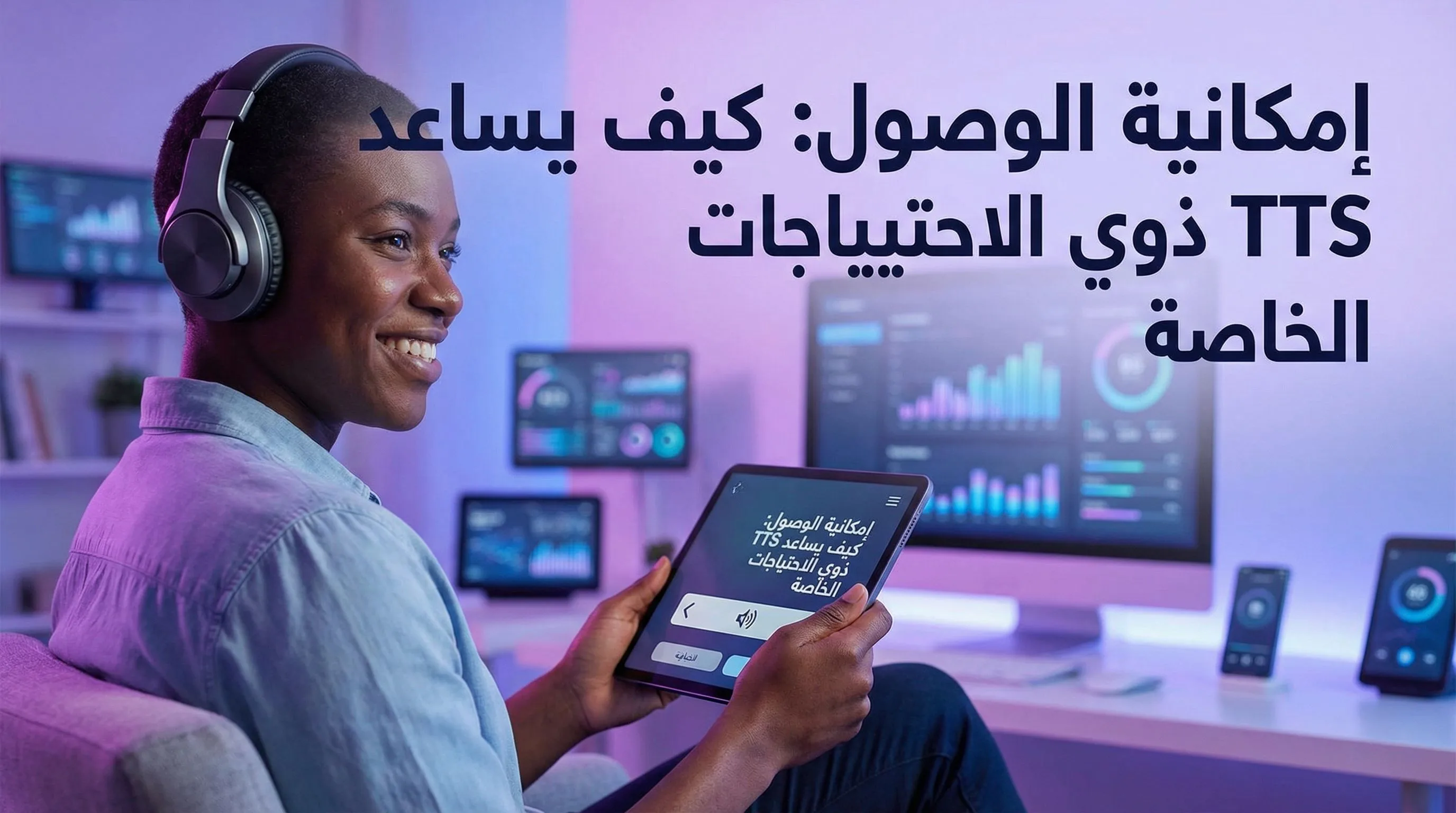
Accessibility: How TTS Helps People with Disabilities
Imagine navigating a world filled with text that you can’t easily access. For many individuals with disabilities, this is a daily reality. From struggling to read online articles to facing barriers in education and employment, the written word can present significant challenges. Fortunately, Text-to-Speech (TTS) technology offers a powerful solution, unlocking a world of information and opportunities for people with a wide range of disabilities.
Understanding Text-to-Speech
At its core, Text-to-Speech is assistive technology that converts written text into audible speech. Software or hardware equipped with TTS functionality analyzes the text and vocalizes it in a synthetic or natural-sounding voice. This simple yet profound capability bridges the gap between the written word and auditory comprehension, empowering individuals who may have difficulty reading or processing text visually.
Who Benefits from TTS?
The applications of TTS are diverse, impacting various disabilities and improving the quality of life for many. Some of the most prominent beneficiaries include:
* Individuals with Visual Impairments: TTS allows people with blindness or low vision to access books, articles, websites, and other written materials independently. Screen readers, a type of TTS software, navigate and read aloud the contents of a computer screen, enabling complete interaction with digital environments.
* Individuals with Dyslexia: Dyslexia is a learning disability that primarily affects reading accuracy and fluency. TTS provides a valuable tool for dyslexic individuals by enabling them to listen to the text while simultaneously reading along. This multi-sensory approach can significantly improve comprehension, vocabulary acquisition, and overall reading skills.
* Individuals with Other Learning Disabilities: Beyond dyslexia, TTS can benefit individuals with other learning disabilities that affect reading comprehension, such as ADHD or processing disorders. Listening to text allows them to focus on the content without the added cognitive load of decoding individual words.
* Individuals with Motor Impairments: For individuals with conditions like cerebral palsy or arthritis, physical limitations can make holding books or using a mouse and keyboard difficult. TTS allows them to access written information without the need for physical manipulation. They can simply listen to the text being read aloud, freeing them from the physical strain of reading.
* Individuals with Cognitive Impairments: TTS can be a valuable aid for individuals with cognitive impairments who may struggle with reading comprehension or maintaining focus. By listening to the text, they can better process information and retain it more effectively.
Practical Applications of TTS
The impact of TTS extends far beyond simply reading books aloud. Here are a few examples of its practical applications:
* Education: TTS can transform the educational experience for students with disabilities. It can be used to access textbooks, complete assignments, and participate fully in classroom activities.
* Employment: TTS allows employees with disabilities to access training materials, read emails, and complete work-related tasks. It promotes greater independence and productivity in the workplace.
* Daily Living: TTS can assist with everyday tasks such as reading recipes, navigating websites, accessing public transportation information, and staying informed about current events.
* Entertainment: TTS makes books, magazines, and online content more accessible and enjoyable for individuals who prefer to listen rather than read. This opens up a wider world of entertainment and leisure activities.
Choosing the Right TTS Solution
Numerous TTS solutions are available, ranging from built-in accessibility features in operating systems to dedicated software and hardware devices. The best solution will depend on individual needs, preferences, and budget. Factors to consider include the quality and naturalness of the voice, the ease of use, the compatibility with different devices and file formats, and the customization options available. Experimenting with different options is recommended to find the solution that works best for you.
Moving Forward with Accessibility
TTS technology is a powerful tool for promoting accessibility and inclusion for people with disabilities. By providing an alternative way to access written information, TTS empowers individuals to participate more fully in education, employment, and daily life. We should strive to integrate TTS into all facets of society, ensuring that everyone has equal access to the written word and the opportunities it unlocks. Embrace and explore the TTS options available to dramatically improve accessibility for yourself or someone you know.