TTS Technology in Arabic Customer Service
Text-to-Speech (TTS) technology offers a powerful solution for enhancing Arabic customer service by overcoming language barriers and providing a scalable, cost-effective way to interact with customers
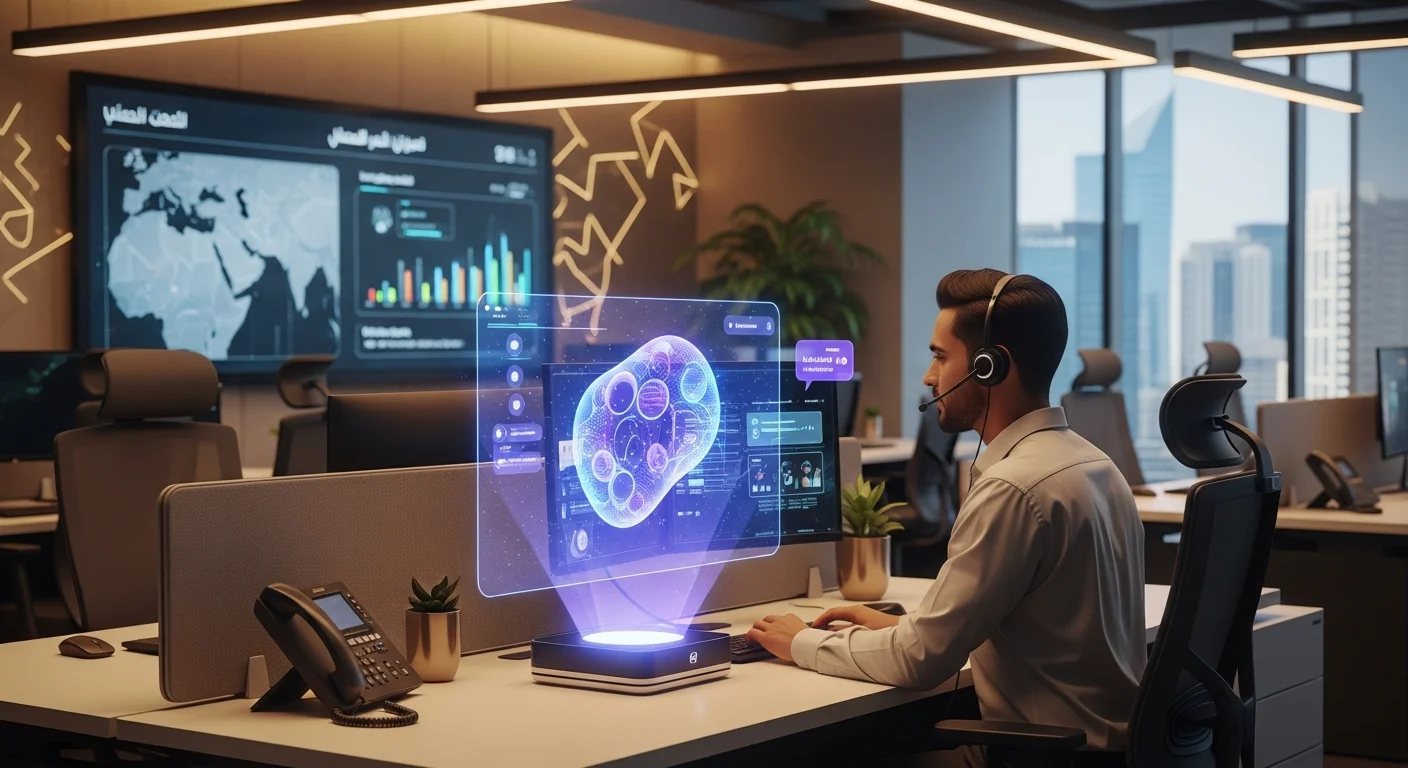
Revolutionizing Arabic Customer Service with TTS Technology
In today's fast-paced world, delivering exceptional customer service is paramount for business success, particularly in the Arabic-speaking market. While traditional methods often fall short due to linguistic complexities and resource constraints, Text-to-Speech (TTS) technology offers a powerful solution to enhance efficiency, accessibility, and customer satisfaction. For companies targeting the Arabic-speaking world, understanding and implementing TTS is no longer a luxury, but a necessity.
The Unique Challenges of Arabic Customer Service
Arabic presents specific challenges for customer service operations. Its rich morphology, complex grammar, and the existence of numerous dialects mean that providing consistent and accurate support can be difficult and expensive. Human agents proficient in all these aspects are scarce, and maintaining a large multilingual team can strain resources. Furthermore, the cultural nuances of the Arab world require a sensitive and respectful approach, which can be hard to scale using traditional methods. Misunderstandings or misinterpretations can easily lead to customer dissatisfaction and damage brand reputation.
TTS: A Game Changer for Arabic Customer Interactions
TTS technology transforms how businesses interact with their Arabic-speaking customers. By converting written text into natural-sounding spoken Arabic, TTS overcomes language barriers and provides a scalable, cost-effective solution for various customer service applications. Imagine customers easily understanding automated instructions over the phone, navigating interactive voice response (IVR) systems in their native dialect, or receiving personalized support through virtual assistants. This is the power of TTS in action.
Practical Applications of TTS in Arabic Customer Service
The applications of TTS in Arabic customer service are diverse and impactful:
* Interactive Voice Response (IVR) Systems: Replacing pre-recorded messages with dynamic, personalized responses generated by TTS improves customer experience and reduces wait times. For example, an IVR system for a bank can use TTS to provide account balances, transaction details, or branch locations based on customer input. This eliminates the need for numerous pre-recorded messages and provides a seamless, efficient experience.
* Automated Customer Support: Chatbots and virtual assistants powered by TTS can handle a wide range of customer inquiries, from answering frequently asked questions to providing technical support. A telecommunications company can utilize a TTS-enabled chatbot to guide customers through troubleshooting steps for internet connectivity issues, allowing human agents to focus on more complex cases.
* Voice Notifications and Alerts: TTS can be used to deliver important notifications and alerts to customers via phone or other channels. For example, an e-commerce platform can send voice notifications about order confirmations, shipping updates, or delivery delays, keeping customers informed and engaged.
* Accessibility for Visually Impaired Customers: TTS plays a crucial role in making customer service accessible to visually impaired individuals. By converting website content, emails, and other textual information into spoken Arabic, TTS empowers these customers to interact with businesses independently and effectively.
Choosing the Right TTS Solution for Arabic
Not all TTS solutions are created equal. When selecting a TTS provider for Arabic customer service, consider the following factors:
* Naturalness of Voice: The TTS voice should sound natural and human-like, with proper intonation and pronunciation. Avoid robotic or unnatural voices that can negatively impact customer perception.
* Dialect Support: Ensure that the TTS solution supports the specific Arabic dialects spoken by your target audience. Modern Standard Arabic (MSA) is widely understood, but using regional dialects can further enhance personalization and customer engagement.
* Customization Options: Look for a TTS solution that allows you to customize the voice, speaking rate, and other parameters to suit your brand identity and customer preferences.
* Integration Capabilities: The TTS solution should seamlessly integrate with your existing customer service platforms, such as CRM systems, IVR platforms, and chatbot frameworks.
* Scalability and Reliability: Choose a TTS provider that can handle your growing customer service needs and provide a reliable, consistent service.
Conclusion: Embracing TTS for a Brighter Future in Arabic Customer Service
TTS technology offers a transformative opportunity for businesses to enhance their Arabic customer service operations. By embracing this technology, companies can overcome language barriers, improve accessibility, and deliver exceptional customer experiences. As TTS technology continues to evolve, its role in shaping the future of Arabic customer service will only become more significant. Investing in the right TTS solution is an investment in customer satisfaction, brand loyalty, and long-term business success in the dynamic Arabic-speaking market.