TTS Technology in Arabic Customer Service
Arabic TTS is revolutionizing customer service by providing seamless, efficient support in the native language, enhancing customer satisfaction, and expanding reach. Integrating TTS into customer serv
NourVoice Team ·
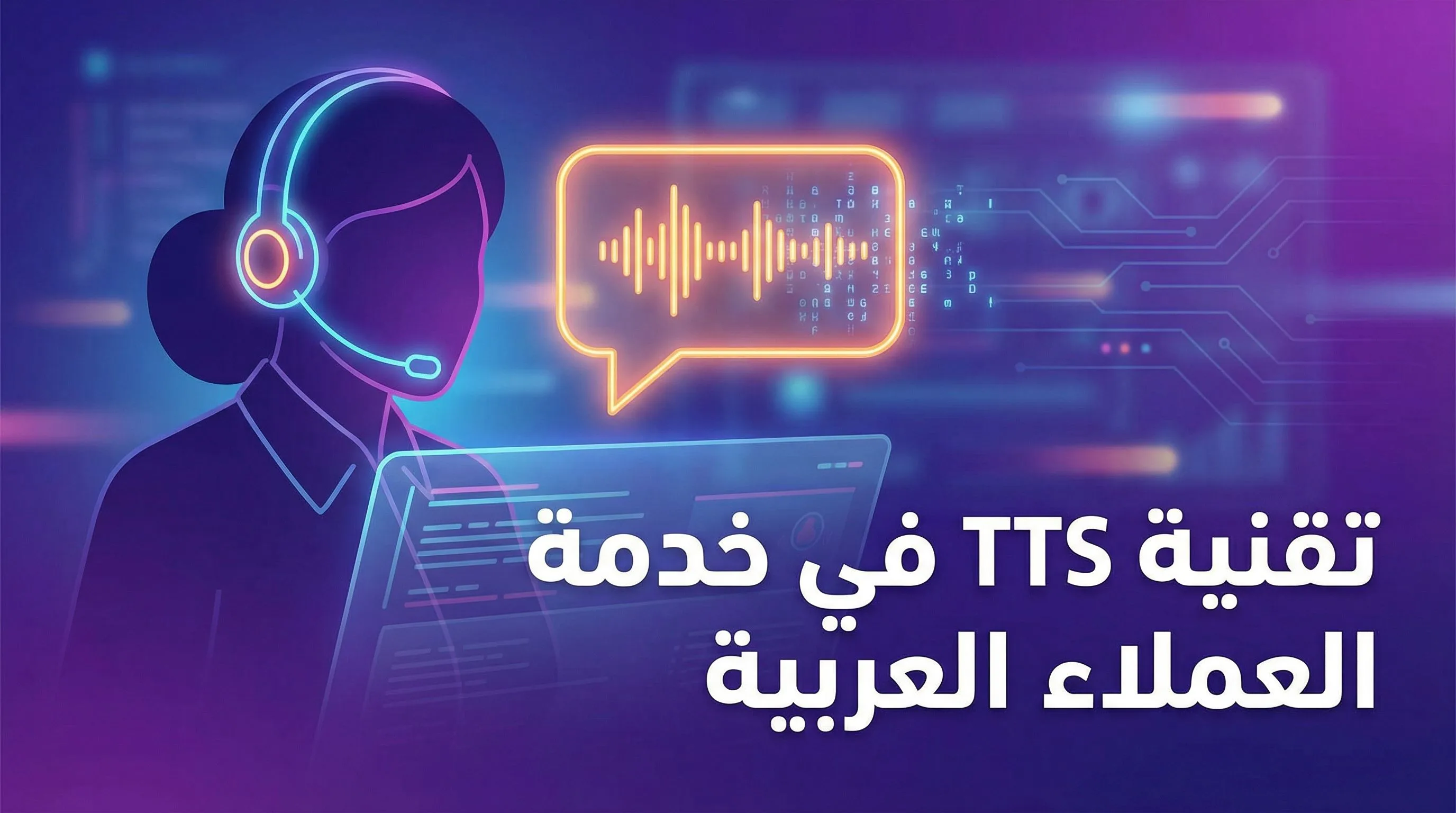
TTS Technology Revolutionizing Arabic Customer Service
In today's fast-paced world, delivering exceptional customer service is paramount, especially in multilingual markets. Arabic, a language spoken by over 400 million people worldwide, presents unique challenges and opportunities in this domain. Thankfully, Text-to-Speech (TTS) technology is emerging as a game-changer, enabling businesses to provide seamless and efficient Arabic customer support, enhancing customer satisfaction, and broadening their reach. Let's delve into how TTS is reshaping the landscape of Arabic customer service.
Understanding the Nuances of Arabic TTS
Arabic TTS is more than just converting text into spoken words; it's about understanding and replicating the intricacies of the Arabic language. Classical Arabic, Modern Standard Arabic (MSA), and various dialects all exist, each with its own pronunciation rules and nuances. A high-quality Arabic TTS engine needs to accurately account for these variations to ensure natural-sounding and comprehensible speech. Factors like diacritics (vowel markings), which significantly impact pronunciation, and the proper rendering of complex grammatical structures are critical considerations. The engine also needs to handle right-to-left script directionality flawlessly. Failure to address these aspects can lead to misinterpretations and a frustrating customer experience.
Practical Applications of TTS in Arabic Customer Service
The applications of TTS in Arabic customer service are vast and varied. Consider these scenarios:
* Interactive Voice Response (IVR) Systems: Instead of relying solely on pre-recorded prompts, TTS enables IVR systems to dynamically generate responses based on real-time data, providing personalized and up-to-date information to customers. This reduces the need for extensive recording sessions and allows for faster updates and changes. For instance, an IVR system could announce the current balance on an account or provide specific shipping updates in fluent Arabic.
* Chatbots and Virtual Assistants: TTS breathes life into chatbots and virtual assistants, allowing them to engage with customers in spoken Arabic rather than just text. This creates a more natural and intuitive interaction, fostering a stronger connection and enhancing the overall user experience. Imagine a customer querying about product availability through a chatbot and receiving a clear, concise, and human-sounding Arabic response.
* Accessibility for Visually Impaired Customers: TTS provides a crucial accessibility tool for visually impaired Arabic-speaking customers, enabling them to access information and interact with customer service systems independently. Websites, documents, and other digital content can be converted into spoken Arabic, ensuring inclusivity and expanding the reach of customer service offerings.
* Real-Time Translation Services: TTS can be integrated with real-time translation services to provide immediate spoken translations for customer service agents. This allows agents who don't speak Arabic to communicate effectively with Arabic-speaking customers, breaking down language barriers and improving response times.
* Automated Notifications and Reminders: TTS can be used to generate automated notifications and reminders in Arabic, such as appointment reminders, payment due notices, or order confirmation messages. This proactive approach enhances customer engagement and reduces the likelihood of missed deadlines or other issues.
Benefits of Implementing Arabic TTS
Implementing Arabic TTS offers several significant benefits for businesses:
* Enhanced Customer Satisfaction: By providing seamless and efficient support in the customer's native language, businesses can significantly improve customer satisfaction and build stronger relationships.
* Increased Efficiency: TTS automates various customer service tasks, freeing up human agents to focus on more complex issues and improving overall efficiency.
* Reduced Costs: By automating tasks and minimizing the need for human agents, TTS can help businesses reduce customer service costs.
* Expanded Reach: TTS enables businesses to reach a wider audience of Arabic-speaking customers, expanding their market presence and potential revenue.
* Improved Accessibility: TTS makes customer service more accessible to visually impaired individuals, demonstrating a commitment to inclusivity and social responsibility.
Conclusion: Embrace the Future of Arabic Customer Service
Arabic TTS technology is rapidly evolving, offering powerful solutions for businesses seeking to improve their customer service offerings in the Arabic-speaking market. By embracing this technology, businesses can enhance customer satisfaction, increase efficiency, reduce costs, and expand their reach. We highly recommend exploring the possibilities of integrating Arabic TTS into your customer service strategy to unlock its full potential and gain a competitive edge. It's an investment that will pay dividends in the long run, fostering stronger customer relationships and driving business growth in this important and growing market.